
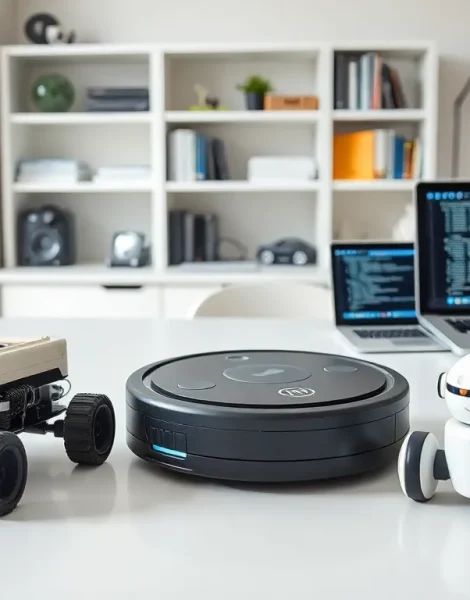
The best robotics products combine smart engineering with real-world usefulness. Whether someone wants to automate home tasks, teach STEM concepts, or build custom projects, the right robot can make a measurable difference. But with so many options on the market, picking the best robotics solution takes some research.
This guide breaks down the major types of robotics, the features that matter most, and specific recommendations for different use cases. By the end, readers will know exactly what to look for, and how to get started.
Table of Contents
ToggleKey Takeaways
- The best robotics products span five main categories: educational, consumer, hobbyist, industrial, and social companion robots.
- Prioritize ease of use, build quality, sensor capabilities, and expandability when choosing robotics for long-term value.
- LEGO Mindstorms and Sphero BOLT stand out as top educational robotics options for learning programming and STEM skills.
- iRobot Roomba and Ecovacs Deebot represent the best robotics for home automation, handling vacuuming and mopping with minimal effort.
- Start your robotics journey by defining clear goals, setting a $100–$500 budget, and leveraging free resources from active communities.
Types of Robotics Worth Exploring
Robotics covers a surprisingly wide range of categories. Understanding these types helps buyers identify the best robotics fit for their goals.
Educational Robotics
These robots teach programming, engineering, and problem-solving skills. They’re popular in classrooms and homes alike. Products like LEGO Mindstorms and VEX Robotics kits let users build and code their own machines. Educational robotics works well for kids, students, and adults learning new skills.
Consumer Robotics
Think robot vacuums, lawn mowers, and pool cleaners. Consumer robotics handles everyday chores with minimal input. Brands like iRobot, Ecovacs, and Husqvarna dominate this space. These products save time and reduce repetitive labor.
Hobbyist and DIY Robotics
For makers and tinkerers, DIY robotics kits offer endless possibilities. Arduino-based robots, Raspberry Pi projects, and 3D-printed builds fall into this category. Hobbyist robotics appeals to people who enjoy building things from scratch.
Industrial and Professional Robotics
Factories use robotic arms for assembly, welding, and packaging. Warehouses deploy autonomous mobile robots (AMRs) to move inventory. While these systems cost more, they deliver serious productivity gains for businesses.
Social and Companion Robotics
Some robots exist purely for interaction. Social robots like Miko and ElliQ provide companionship, entertainment, or emotional support. They’re especially useful for children and elderly individuals who benefit from friendly engagement.
Key Features to Consider When Choosing Robotics
Not all robotics products are created equal. Here’s what separates the best robotics from mediocre options.
Ease of Use
A good robot shouldn’t require an engineering degree to operate. Look for intuitive controls, clear documentation, and accessible software. The best robotics products work right out of the box with minimal setup.
Programming Flexibility
Some robots use drag-and-drop coding interfaces. Others support Python, C++, or proprietary languages. Consider the user’s skill level. Beginners benefit from visual programming, while experienced coders want more control.
Build Quality and Durability
Cheap plastic breaks fast. The best robotics use quality materials, metal frames, reliable motors, and sturdy connections. Durability matters especially for educational and hobbyist projects that involve trial and error.
Sensor Capabilities
Sensors determine what a robot can perceive. Common sensors include cameras, ultrasonic distance sensors, infrared detectors, and gyroscopes. More sensors generally mean more functionality, but they also add cost and complexity.
Expandability
Can users add new parts, sensors, or modules? Expandable robotics systems grow with the user’s skills. Closed systems limit what’s possible. For long-term value, look for robots with modular designs and active accessory ecosystems.
Software and Community Support
Active user communities help troubleshoot problems and share projects. Regular software updates fix bugs and add features. The best robotics brands invest in both.
Top Robotics Options for Different Needs
Here are specific recommendations based on common use cases. These represent some of the best robotics products available today.
Best for Education: LEGO Mindstorms and Sphero BOLT
LEGO Mindstorms combines familiar building blocks with programmable motors and sensors. It’s excellent for ages 10 and up. Sphero BOLT offers a compact, code-controlled ball that teaches programming through games and challenges. Both products have strong curricula and classroom support.
Best for Home Automation: iRobot Roomba and Ecovacs Deebot
The iRobot Roomba j7+ uses advanced object recognition to avoid obstacles like pet waste and cords. It empties its own dustbin. The Ecovacs Deebot X1 Omni vacuums and mops simultaneously. Both represent the best robotics for keeping homes clean without constant attention.
Best for Hobbyists: Arduino Starter Kits and Raspberry Pi-Based Robots
Arduino kits teach electronics fundamentals while building functional robots. The Arduino Robot Kit includes everything needed to create a programmable mobile robot. Raspberry Pi projects offer more computing power for advanced applications like computer vision.
Best for Companionship: Miko 3 and ElliQ
Miko 3 serves as an AI-powered friend for children. It tells stories, answers questions, and plays games. ElliQ targets older adults, providing reminders, conversation, and social engagement prompts. Both excel at creating meaningful interactions.
How to Get Started With Robotics
Jumping into robotics doesn’t require prior experience. Follow these steps to begin.
Define Your Goals
What does the user want to accomplish? Learning to code? Automating chores? Building something unique? Clear goals narrow down the best robotics options quickly.
Set a Budget
Robotics products range from $30 kits to $30,000 industrial systems. Most beginners should start between $100 and $500. This range offers quality hardware without overwhelming complexity.
Start Simple
Beginners should avoid overly ambitious first projects. A basic line-following robot or programmable vacuum teaches fundamental concepts. Success builds confidence for harder challenges.
Use Free Learning Resources
YouTube tutorials, manufacturer documentation, and forums provide massive amounts of free instruction. Websites like Instructables and Hackster.io feature step-by-step project guides. Most robotics communities welcome questions from newcomers.
Join a Community
Local robotics clubs, online forums, and maker spaces connect enthusiasts. Other hobbyists offer advice, share parts, and collaborate on projects. Learning alongside others accelerates progress.


