
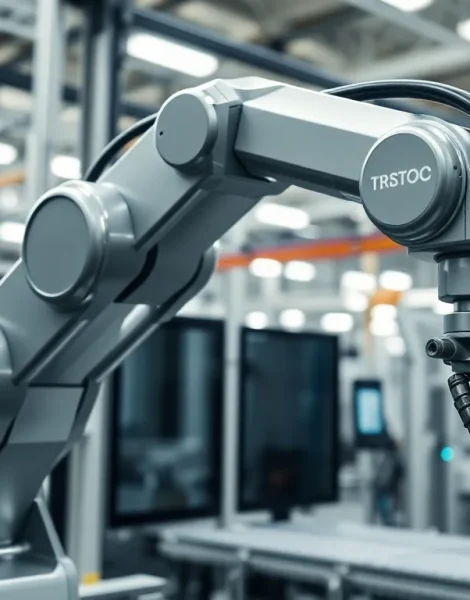
Robotics examples surround us in ways most people never notice. From the assembly line welding a car frame to the surgical arm assisting a surgeon, robots have become essential tools across nearly every sector. These machines handle tasks that are dangerous, repetitive, or require precision beyond human capability. The global robotics market reached $55 billion in 2024, and it continues to grow as businesses seek efficiency and consistency. This article explores real-world robotics examples across manufacturing, healthcare, consumer services, and agriculture. Each section highlights specific machines and their practical applications, giving readers a clear picture of how robotics shapes modern life.
Table of Contents
ToggleKey Takeaways
- Robotics examples span manufacturing, healthcare, consumer services, and agriculture, with the global market reaching $55 billion in 2024.
- Industrial robots like FANUC and KUKA arms perform thousands of precise welds daily, while Amazon operates over 750,000 warehouse robots for faster order fulfillment.
- Medical robotics examples include the da Vinci Surgical System, which has performed over 10 million surgeries with precision beyond human capability.
- Consumer robots like Roomba (40+ million sold) and Starship delivery bots (6+ million deliveries) have made automation accessible to everyday people.
- Agricultural robotics examples such as John Deere’s autonomous tractors and harvesting robots help farmers grow more food with less waste and fewer labor shortages.
- Collaborative robots (cobots) work safely alongside humans and offer affordable automation options for small and medium businesses.
Industrial and Manufacturing Robots
Industrial robots remain the most common robotics examples in daily use. Factories worldwide deploy millions of these machines to perform welding, painting, assembly, and material handling.
Automotive Assembly Robots
Car manufacturers rely heavily on robotic arms. Companies like Tesla, Toyota, and BMW use robots for spot welding, where a machine joins metal panels with electrical current. A single robotic arm can complete thousands of welds per day with consistent quality. FANUC and KUKA supply many of these industrial arms, and their machines operate 24/7 without fatigue.
Pick-and-Place Systems
Warehouses and distribution centers use pick-and-place robots to move products. Amazon operates over 750,000 robots in its fulfillment centers. These machines locate items on shelves, grab them, and place them in bins for shipping. They reduce order processing time from hours to minutes.
Collaborative Robots (Cobots)
Cobots work alongside human workers rather than replacing them. Universal Robots manufactures cobots that assist with packaging, quality inspection, and machine tending. Unlike traditional industrial robots, cobots have sensors that detect human presence and stop immediately to prevent injury. Small and medium businesses adopt cobots because they cost less and require minimal programming.
These robotics examples demonstrate how manufacturing has shifted toward automation. Factories produce more goods with fewer errors, and workers focus on tasks that require judgment and creativity.
Medical and Healthcare Robotics
Healthcare offers some of the most impressive robotics examples. Robots assist surgeons, deliver medications, and help patients recover from injuries.
Surgical Robots
The da Vinci Surgical System is perhaps the most famous medical robot. Surgeons control its arms through a console, making precise incisions during procedures like prostatectomies and hysterectomies. The robot’s instruments can rotate 540 degrees, far beyond what a human wrist achieves. Over 10 million surgeries have been performed using da Vinci systems worldwide.
Rehabilitation Robots
Patients recovering from strokes or spinal injuries use robotic exoskeletons for physical therapy. Ekso Bionics produces wearable robots that help paralyzed individuals stand and walk. The device supports body weight and guides leg movements, retraining neural pathways over time. Therapists report faster recovery rates when patients use these machines.
Hospital Logistics Robots
Hospitals deploy autonomous mobile robots for deliveries. TUG robots from Aethon transport linens, medications, and lab samples between floors. They navigate hallways using sensors and maps, calling elevators and avoiding obstacles automatically. This frees nurses to spend more time with patients instead of running errands.
Medical robotics examples show how technology extends human capabilities in critical situations. Surgeons gain steadier hands, and patients receive faster, more consistent care.
Service and Consumer Robots
Service robots have moved from science fiction into homes and businesses. These robotics examples handle cleaning, security, and customer interaction.
Vacuum and Cleaning Robots
iRobot’s Roomba dominates the home cleaning market. Over 40 million units have been sold globally. The device maps rooms, avoids furniture, and returns to its charging dock when finished. Commercial versions scrub floors in airports, shopping malls, and office buildings overnight.
Delivery Robots
Sidewalk delivery robots now operate in cities across the U.S., including Houston, Los Angeles, and Washington D.C. Starship Technologies has completed over 6 million autonomous deliveries. These six-wheeled bots carry food and packages from stores to doorsteps, using cameras and GPS to find their way.
Social and Companion Robots
Social robots provide companionship and entertainment. SoftBank’s Pepper greets customers in stores and hotels across Japan and Europe. In elder care facilities, robots like PARO (a robotic seal) offer comfort to dementia patients. Studies show that interaction with companion robots reduces anxiety and loneliness.
Security Robots
Knightscope manufactures autonomous security robots that patrol parking lots and corporate campuses. They record video, detect unusual activity, and alert human guards when needed. Some models stand over five feet tall and use facial recognition software.
Consumer and service robotics examples highlight how robots have become accessible to everyday people. They save time on chores and add convenience to daily routines.
Agricultural and Environmental Robots
Farming and environmental management present unique challenges that robotics examples address effectively. Robots plant seeds, harvest crops, and monitor ecosystems.
Autonomous Tractors
John Deere launched fully autonomous tractors in 2022. These machines plow fields, plant seeds, and apply fertilizer without a driver. Farmers monitor operations from a smartphone app. The tractors use GPS and computer vision to follow precise paths, reducing overlap and wasted resources.
Harvesting Robots
Fruit and vegetable harvesting requires delicate handling. Companies like Abundant Robotics (apples) and Harvest CROO (strawberries) have developed robots that identify ripe produce and pick it without bruising. Labor shortages in agriculture make these machines increasingly valuable.
Drone Technology
Agricultural drones survey fields from above. They capture images that reveal crop health, pest infestations, and irrigation problems. Some drones spray pesticides or fertilizers with precision, reducing chemical use by up to 30% compared to traditional methods.
Environmental Monitoring
Robots also protect natural environments. Saildrone produces autonomous sailing vessels that collect ocean data, tracking fish populations and measuring water temperatures. The Ocean Cleanup project uses robotic systems to gather plastic waste from rivers and oceans.
These robotics examples show how machines support sustainable practices. Farmers grow more food with less waste, and researchers gain data that helps protect ecosystems.


